Short cycling is a common winter complaint in Middlefield, CT. A gas furnace turns on, runs for a minute or two, shuts off, then starts again. The house never feels steady, the gas bill climbs, and the equipment takes a beating. In a season where temperatures swing from damp 40s to single digits near Powder Ridge, that pattern stresses every part of a forced-air heating system.
Direct Home Services sees this daily across Middlefield, Rockfall, and the greater Middlesex County area. The root cause varies by home and system type, but the outcome is the same: wasted fuel, uneven heating, and avoidable wear on critical parts. This article explains why it happens, what to check first, and when it is time to call for professional gas furnace services.
What short cycling looks and sounds like
A healthy furnace should fire, stabilize, and run long enough to bring the space to setpoint without constant stops. During a normal cycle, the inducer starts, the ignitor glows, gas flows to the burner assembly, and the blower fan ramps up. Short cycling interrupts that rhythm. Owners report rapid on-off behavior, warm air for 60 to 180 seconds, then silence, followed by another attempt.
Two clues help narrow the issue. First, if the thermostat shows the setpoint is reached but rooms still feel cold, airflow could be restricted. Second, if a metallic banging or sharp click occurs at startup, the draft inducer motor or gas valve may be struggling. Both can trigger high-limit trips that shut the system down, then reset, creating that stop-start pattern.
Why short cycling increases in Middlefield winters
Middlefield’s semi-rural setting and older housing stock create unique stress points. Tight, newer homes near Lake Beseck often have high-efficiency condensing furnaces with long PVC vent runs. Those runs can freeze or frost in deep cold. Historic homes in Rockfall and Reeds Gap may have undersized return air paths or filters placed in odd locations. Both situations restrict airflow, which overheats the heat exchanger and trips the limit switch.
The temperature swings also lead to thermostat misreads. A thermostat on an exterior wall near a draft from an older window will call for heat quickly, then shut off when the nearby air warms, even though the rest of the home remains cool. Combine that with a dirty air filter and a sluggish blower, and short cycles are almost a guarantee once the first frost hits Lyman Orchards.
The most common causes of short cycling
The list below groups the issues Direct Home Services finds most in 06455 and 06481, from simple to technical. Each one connects to a concrete signal or part.
- Clogged air filter: A MERV 11 or MERV 13 filter captures fine dust, but it loads fast during holiday cooking and woodstove season. A starved blower overheats the heat exchanger, tripping the limit switch within minutes. Thermostat placement or settings: A thermostat near a supply register or a sunny window at Wadsworth Falls facing mornings runs short cycles. Oversized temperature swings or an anticipator setting can create the same pattern in older units. Dirty flame sensor or weak ignitor: A fouled flame sensor fails to verify flame, forcing shutdowns seconds after ignition. A weak hot surface ignitor may light inconsistently, causing repeated starts. Draft inducer or venting problems: A failing draft inducer motor struggles to clear the heat exchanger, and a partially blocked vent pipe or intake on a condensing furnace restricts airflow. Both conditions trigger safety switches and fast shutdowns. Oversized furnace: A single-stage or two-stage furnace with too much capacity blasts heat, hits setpoint near the thermostat, and shuts down, leaving far rooms cold. This is common after envelope upgrades, such as new windows or attic air sealing, without a load recalculation.
These causes are not mutually exclusive. A house near the Coginchaug River might have a furnace that is slightly oversized and a filter that is overdue. The combined effect shortens cycles even if either problem alone would not.
How technicians diagnose short cycling
An accurate diagnosis starts with simple checks, then moves to component-level testing. In most winter service calls, technicians find the first layer in minutes.
Airflow comes first. The technician pulls the filter, inspects for bypass leakage, and checks return grilles for blockage from holiday decorations or rugs. Static pressure readings across the filter and coil tell the truth. If static pressure is high, they look for a matted coil, an undersized return, or a collapsed flex duct.
Next is flame verification. The flame sensor gets removed, cleaned, and tested. A dirty flame sensor causes ignition lockouts that mimic short cycling. Ignitor condition is checked, and the burners are inspected for rust flakes that disrupt a smooth flame pattern.
Safety controls follow. The limit switch and rollout switches are tested. If the limit trips during operation while the blower runs, airflow or an undersized duct is likely. If the limit trips before the blower starts, the motor or control timing may be off.
For venting and combustion air, the draft inducer motor amperage is measured, and pressure switches are checked with a manometer. On high-efficiency condensing furnaces, the technician looks for icing at the intake or exhaust outside the home. A frozen termination at a Jackson Hill property can cause a short cycle with no other visible signs.
Lastly, the team compares the system’s capacity to the home’s heating load. An oversized 100,000 BTU single-stage furnace in a modest Ranch near Baileyville will short cycle, especially after air sealing and insulation upgrades. A modern modulating furnace or a two-stage unit would run longer, lower, and steadier.
Parts that matter during winter service
Certain parts carry more weight in short cycle cases. The heat exchanger, burner assembly, and blower fan form the core. The heat exchanger must move heat safely to the air stream. If it overheats due to low airflow, the limit switch opens. Direct Home Services inspects heat exchangers for hairline fractures. Cracks allow combustion gases to mix with supply air, raising carbon monoxide risk. If a cracked heat exchanger is confirmed, the furnace is shut down and a replacement plan is put in place.
The draft inducer motor must pull combustion gases through the heat exchanger. If bearings are worn, the motor may start, fail to reach speed, and cause pressure switch faults. The gas valve must open reliably under command; if it sticks, short cycles can result from failed ignition sequences. The limit switch acts as a safety, and frequent trips indicate a root cause upstream: airflow, motor speed, or high gas input.
On furnaces with electronic ignitors, the ignitor and flame sensor are routine suspects. The flame sensor can be cleaned, but repeated fouling might point to a misaligned burner or poor combustion air. The blower motor’s speed tap and capacitor must match the system’s airflow needs; the wrong speed creates a cascade of heat spikes and short cycles.
What homeowners can safely check before calling
Homeowners can handle a few low-risk checks. Replace or remove a dirty air filter. Confirm all supply and return vents are open and not blocked by furniture. Verify the thermostat is not set with extreme cycles per hour. Make sure the outside PVC intake and exhaust on a condensing furnace are clear of frost, leaves, or insect nests. If the system still short cycles, shut it down and call for service. Frequent restarts can worsen wear on the ignitor and inducer.
Why an annual tune-up helps prevent short cycling
A tune-up catches small issues before the coldest nights near Powder Ridge. Direct Home Services uses a 21-point checklist that includes combustion analysis, static pressure measurement, flame sensor cleaning, and inducer testing. The technician inspects the heat exchanger, checks the draft, verifies gas pressure, and adjusts blower speed when needed. This keeps the furnace from riding its safety limits all winter.
For high-efficiency condensing furnaces, the condensate trap and drain line get cleared. A backed-up condensate drain can trip a safety switch and cause intermittent shutdowns that look like short cycling. The PVC vent slope is checked; standing water in a sagging pipe can block flue gas and end a cycle early.
Middlefield homes and system types we service
Many Middlefield homes use natural gas; some rely on propane, especially near the Durham line and more rural stretches. The furnace type determines both the diagnostic path and the fix. A single-stage furnace is either full-on or off. It tends to short cycle if oversized. A two-stage furnace starts low and often avoids drastic swings. A modulating furnace adjusts capacity in small steps, matching the load even during shoulder seasons.
Direct Home Services installs high-efficiency condensing furnaces with AFUE ratings of 90 percent and above. In New England’s climate, modulating systems make a noticeable difference in comfort and fuel use. These systems pair well with smart thermostats that have proper cycles-per-hour settings. Our technicians program those settings to calm down rapid cycling.
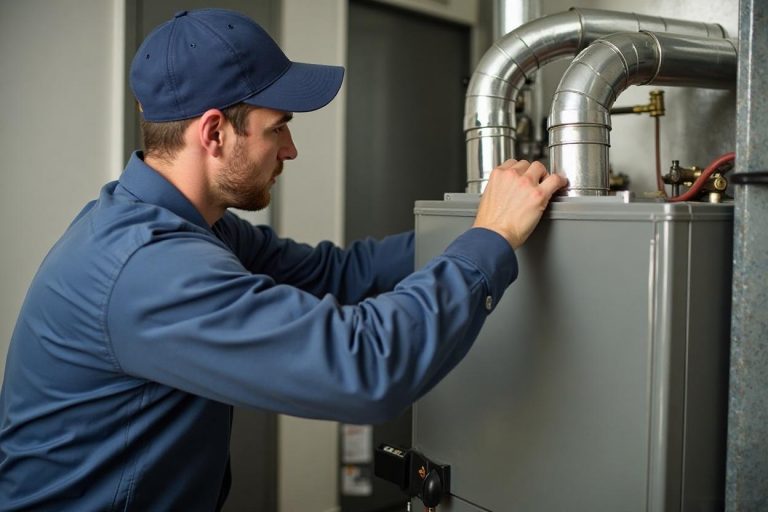
Specific noises that point to short cycling causes
Homeowners often describe a metallic banging at startup. That may be expansion noise from ductwork pressurizing again and again due to short cycles. A dry or failing inducer bearing can squeal or rattle as it labors to start. A rapid click from the control board followed by silence suggests an ignition sequence abort, often tied to a dirty flame sensor or a weak ignitor.
These sounds help a technician decide where to begin. The pattern matters. A rattle at every start, followed by shutdown within a minute, points to the inducer or pressure switch. A shutdown three to five minutes in, with the blower still running, points to a high-limit trip and airflow faults.
Health and safety considerations
Short cycling itself is a performance problem. The safety concern appears when it is connected to a cracked heat exchanger or poor venting. A compromised heat exchanger can leak carbon monoxide into the supply air. Symptoms in the home include headaches and dizziness. If there is any suspicion, the furnace should remain off until inspected. Direct Home Services carries combustion analyzers and checks vent CO as part of diagnostics.
A yellow pilot flame or a lazy burner flame indicates poor combustion. On standing pilot systems with a thermocouple, a weak pilot can fail to heat the thermocouple and shut the gas valve. On newer systems, a yellow flame suggests dirty burners or an airflow problem through the burner assembly.
Local context: how Direct Home Services responds in Middlefield
Located minutes from Lyman Orchards and the Levi E. Coe Library, our team reaches homes throughout Middlefield and Rockfall fast. We prioritize no-heat calls in the 06455 and 06481 zip codes and maintain 24/7 emergency dispatch for blizzard nights. Technicians carry common parts on the truck: ignitors, flame sensors, limit switches, and capacitors. If a heat exchanger is cracked, we provide a temporary solution when safe and present replacement options.
Repairs and installations follow Connecticut mechanical codes. Our CT S-1 licensed and NATE certified technicians handle both natural gas and propane furnaces. We service all major brands, including Rheem, Bryant, Goodman, York, and Trane. For homeowners looking to upgrade, we recommend Carrier Infinity condensing furnaces for quiet operation, strong efficiency, and better humidity control.
Repairs that stop short cycling
The corrective path depends on the cause. For airflow, the fix may be as simple as replacing a clogged filter and increasing blower speed. In more stubborn cases, the return duct needs enlargement or a secondary return must be added to balance the system. A matted evaporator coil can be cleaned, and that alone often stops limit trips.
For ignition faults, cleaning the flame sensor and tuning the burners restores reliable flame verification. If the ignitor tests weak, a replacement prevents repeat lockouts. On the venting side, clearing ice from the termination, re-sloping PVC, or replacing a weak draft inducer eliminates pressure switch trips. If the furnace is oversized and short cycles in moderate weather, a thermostat update with better staging or a move to a two-stage or modulating furnace can solve comfort and runtime issues long term.
How installation choices affect cycling
A furnace that matches the home’s heat loss runs steadier. During a replacement, Direct Home Services performs a load calculation. This includes window area near Lake Beseck, insulation levels, air sealing, and duct layout. With that data, the team recommends a furnace type that fits the home’s needs. In Middlesex County’s climate, two-stage and modulating systems avoid the on-off punch of older single-stage units.
Vent length and termination Discover more here also play a role. High-efficiency furnaces have venting limits that vary by brand and model. Long or poorly sloped runs collect condensate and freeze more easily. Correct sizing and routing prevents winter performance issues and the short cycling that follows.
The maintenance steps that matter most
Direct Home Services focuses tune-ups on the parts and measurements that directly influence cycle length and safety. The team cleans the flame sensor, inspects and tests the ignitor, checks gas pressure, and verifies the combustion air path. They test the inducer motor amperage, measure draft, and audit the vent pipe. Static pressure across the filter and coil guides blower speed adjustments and flags duct issues.
The heat exchanger inspection remains a priority. Hairline fractures can be hard to spot; technicians use lights and mirrors and follow manufacturer procedures. If a crack is suspected, combustion analysis helps confirm a problem. The goal is to keep the furnace from riding safeties and to protect occupants from carbon monoxide risk.
Brand expertise and product options
Direct Home Services services and installs furnaces from Goodman, Bryant, York, Rheem, Carrier, Trane, Lennox, American Standard, and Mitsubishi for hybrid or dual fuel setups. Homeowners who want top efficiency and quiet operation often choose Carrier Infinity series systems. These Energy Star rated furnaces, paired with the right thermostat, run long, low cycles that maintain even temperatures in rooms far from the thermostat.
For budget-conscious projects, a quality two-stage Goodman or Rheem paired with proper duct adjustments can deliver a steady, comfortable heat profile. The brand matters less than the sizing, venting, and setup. That is where field experience in Middlefield homes makes a difference.
What short cycling costs if ignored
Short cycles shorten the life of ignitors and inducer motors. They raise gas and electric bills by wasting the pre-heat phase without delivering sustained output. High-limit trips cook the heat exchanger and can lead to cracks over time. For a homeowner near the Durham line, that might mean replacing a furnace years earlier than expected. Addressing the root cause preserves equipment, stabilizes indoor comfort, and keeps bills under control.
Service coverage and response
Direct Home Services supports Middlefield, Rockfall, and nearby towns including Middletown, Durham, Meriden, Wallingford, and Higganum. The team provides same-day gas furnace repair, annual tune-ups, and full system replacement. Emergency heating service runs 24/7. The shop stocks common parts for fast fixes and offers financing on new Energy Star certified systems.
For homeowners who want a seasonal check, there is a $99 seasonal furnace safety inspection that prepares the system for first frost and holiday gatherings. The inspection includes flame sensor cleaning, combustion checks, and verification of venting and safeties.
Quick homeowner checklist for short cycling
- Replace the air filter and confirm all vents are open. Check the thermostat location and cycles-per-hour setting. Inspect outdoor PVC vent and intake for frost or debris. Listen for startup noises from the inducer or blower. If short cycling continues, schedule professional service.
How Direct Home Services handles the visit
On arrival, the technician confirms the complaint, verifies model and fuel type, and reviews the home layout. They measure static pressure, inspect the heat exchanger, and clean the flame sensor to restore reliable ignition. They test the inducer and pressure switches, adjust blower speed if airflow is marginal, and review filter type. If the furnace is oversized, they discuss control strategies and long-term replacement options.
Every repair is documented. The homeowner receives clear notes on the cause and the fix. If a part is failing, the technician shows the readings and explains the risk of waiting versus replacing. If a new furnace is the smarter move, a free estimate is provided, including options from Carrier, Trane, and Lennox, with AFUE ratings and staging details. For homes near Powder Ridge that face deep cold snaps, a modulating or two-stage system is often recommended to prevent short cycling and improve comfort.
Why choose Direct Home Services in Middlefield
Homeowners want heat that feels steady and safe. Direct Home Services delivers that with CT S-1 licensed and NATE certified technicians, fast response across the 06455 and 06481 areas, and systems that meet Energy Star standards. The company is BBB accredited and offers financing for replacements. Installations are code-compliant and matched to the home’s load. Maintenance plans keep equipment in shape for long winters and shoulder seasons along the Coginchaug Valley.
Short cycling is a symptom. The solution is a careful inspection, targeted repair, and, when needed, a right-sized upgrade. For Middlefield residents who want the furnace to run longer, quieter cycles and maintain even heat, the path is straightforward.
Schedule your furnace repair today. Request a $99 seasonal furnace safety inspection or a free estimate on a high-efficiency furnace. Direct Home Services provides fast, reliable gas furnace services for Middlefield, Rockfall, Lake Beseck, Jackson Hill, and beyond.
Direct Home Services provides HVAC repair, replacement, and installation in Durham, CT. Our team serves homeowners across Hartford, Tolland, New Haven, and Middlesex counties with energy-efficient heating and cooling systems. We focus on reliable furnace service, air conditioning upgrades, and full HVAC replacements that improve comfort and lower energy use. As local specialists, we deliver dependable results and clear communication on every project. If you are searching for HVAC services near me in Durham or surrounding Connecticut towns, Direct Home Services is ready to help.
Direct Home Services
57 Ozick Dr Suite I
Durham,
CT
06422,
US
Phone: (860) 339-6001
Website: https://directhomecanhelp.com/
Social Media: Facebook | Instagram
Map: Google Maps